Creating a cozy and inviting home office space is essential for anyone who spends significant time working from home. A well-designed workspace not only enhances productivity but also promotes comfort and reduces stress. Whether you have a dedicated room or a small corner, thoughtful planning can turn your area into a relaxing yet efficient place to work. Here are some practical tips to help you create a home office that feels both cozy and welcoming.
Choose the Right Location
Consider natural light
Natural light has a positive impact on mood and energy levels. Whenever possible, set up your office near a window to enjoy daylight. Avoid direct glare on your computer screen by positioning your desk perpendicular to the window.
Minimize distractions
Select a space away from noisy areas like the kitchen or living room. If your home is busy, consider using room dividers or noise-canceling headphones to maintain focus.
Invest in Comfortable, Supportive Furniture
Ergonomic chair
A comfortable chair that supports good posture will help you avoid back and neck pain. Look for adjustable chairs with lumbar support and cushioned seating.
Functional desk
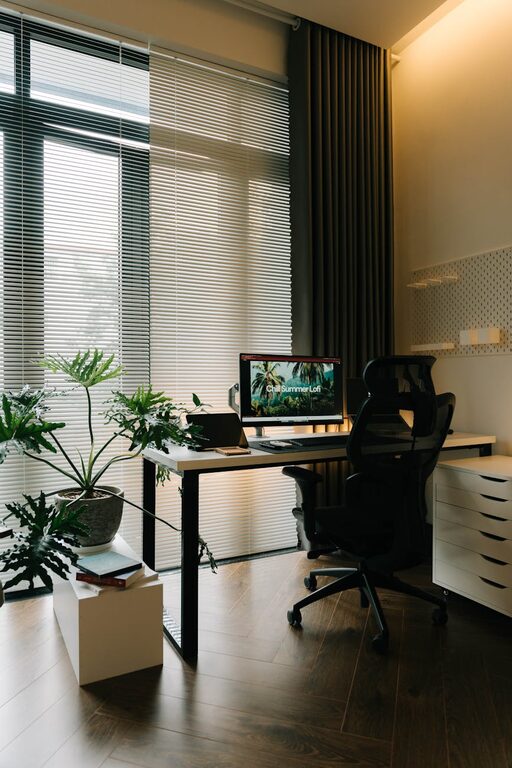
Choose a desk that fits your needs and available space. A desk with enough surface area to organize your computer, stationery, and documents is key. Standing desks or adjustable desks can provide flexibility if you prefer to alternate between sitting and standing.
Use Warm and Soothing Colors
Colors can greatly influence the feel of a space. Soft, neutral tones like warm beige, soft gray, or pastel shades create a relaxing atmosphere. Adding accent colors with accessories like cushions or wall art can make the space feel more personal without overwhelming it.
Add Personal Touches
Incorporate items that make you happy and inspire creativity. This could include framed photos, plants, artwork, or meaningful objects. Personalizing your workspace makes it more inviting and enjoyable to spend time in.
Organize and Declutter
Use storage solutions
Keep your workspace tidy with the help of shelves, drawers, or storage boxes. Well-organized spaces reduce stress and make it easier to find items when needed.
Limit clutter
Avoid overcrowding your desk with unnecessary items. Keep only the essentials within arm’s reach and store lesser-used items elsewhere to maintain a clean and spacious work surface.
Incorporate Soft Textures
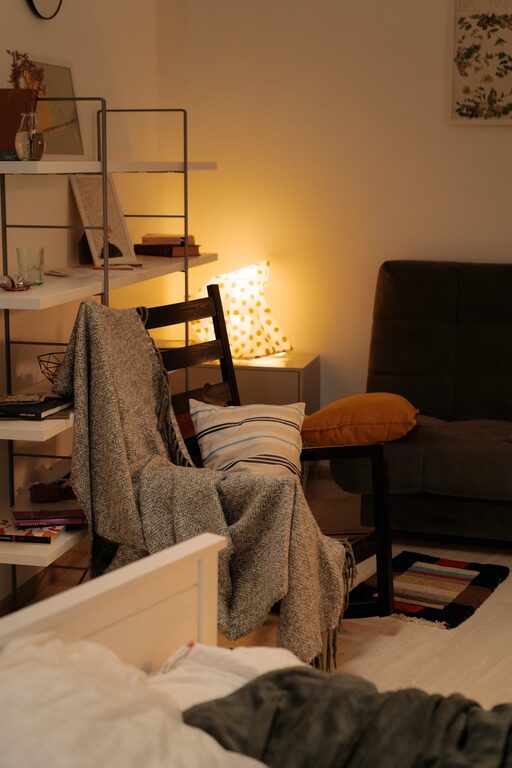
Adding soft elements like a plush rug, cushy throw pillows, or a cozy blanket can soften the space and make it more inviting. These textures add warmth and comfort, especially during colder months.
Optimize Lighting
Good lighting is crucial to reduce eye strain. In addition to natural light, use a combination of ambient and task lighting:
– Ambient lighting: Overhead lights or floor lamps to brighten the entire room evenly.
– Task lighting: Desk lamps focused on your work area to provide direct illumination.
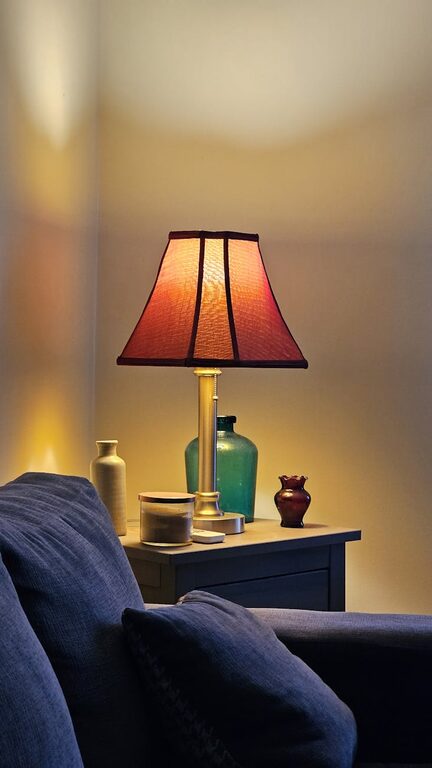
Choose warm light bulbs to enhance coziness.
Bring in Greenery
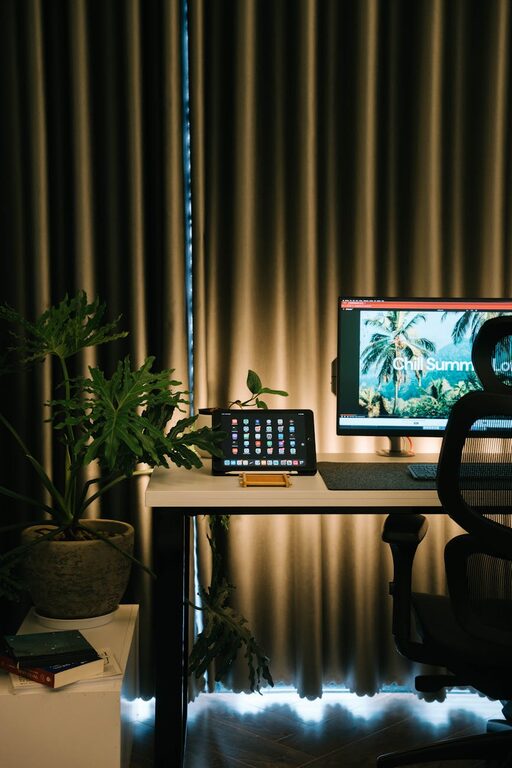
Plants not only improve air quality but also add life and color to your office. Low-maintenance plants like succulents, snake plants, or pothos are great choices. Place them on your desk, a nearby shelf, or windowsill.
Create a Relaxation Corner
If space allows, set up a small area with a comfortable chair or bean bag for breaks. This spot can be used for stretching, reading, or simply relaxing to recharge during the day.
Pay Attention to Sound
Background noise can either boost focus or cause distraction, depending on the individual. Consider the following:
– Use soft background music or white noise to drown out disruptive sounds.
– Add rugs and curtains to absorb sound and reduce echo.
– Use headphones if needed to create a more controlled auditory environment.
Keep Technology in Check
To avoid clutter and improve comfort:
– Use wireless devices to reduce cable mess.
– Invest in a good-quality keyboard and mouse that feel comfortable during extended use.
– Position monitors at eye level to reduce neck strain.
Maintain a Routine and Keep It Fresh
Regularly clean and organize your office space to keep it inviting. Change decor or rearrange furniture occasionally to refresh your environment and avoid monotony.
—
Designing a cozy and inviting home office isn’t just about aesthetics. It’s about creating a space that supports your work habits, nurtures your well-being, and sparks creativity. By combining comfort, function, and personal style, you can build a workspace where you enjoy spending time and are motivated to stay productive. Start with small adjustments and gradually create your ideal home office retreat.
About the Author