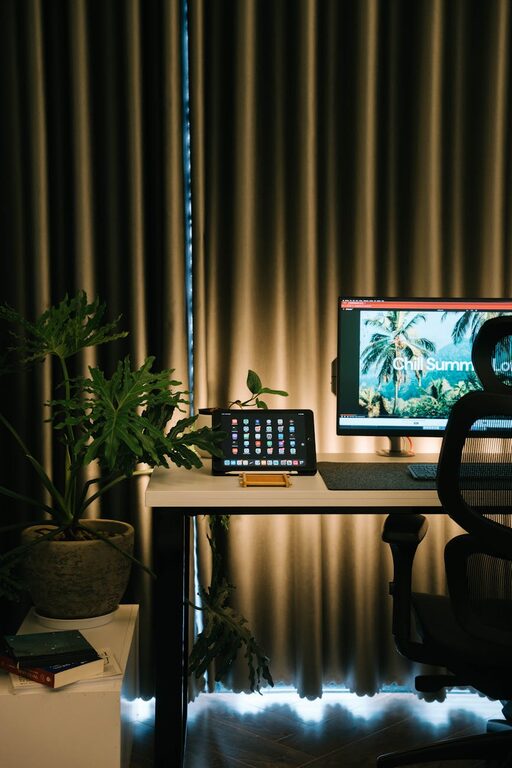
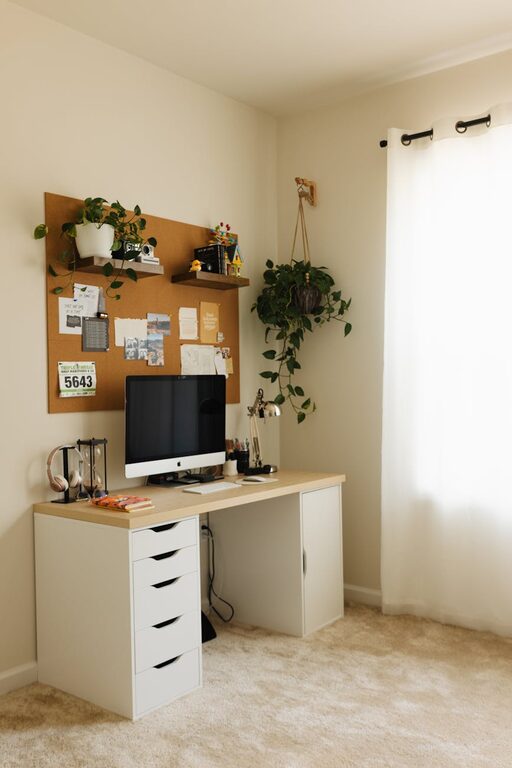
Creating a home office that feels both cozy and functional can significantly enhance your productivity and overall work satisfaction. Whether you have a dedicated room or a small corner, designing a space that supports your work while providing comfort is key. In this post, we’ll walk through helpful tips to help you set up a home office that fits your lifestyle and work habits.
1. Choose the Right Location
Picking the perfect spot for your home office is the first step toward creating an effective workspace.
– Natural Light: Select a spot near a window if possible. Natural light improves mood and reduces eye strain.
– Quiet Environment: Ideally, choose a quiet area away from household noise or high traffic zones.
– Space Needs: Assess the amount of space you require for your desk, chair, and storage solutions.
2. Invest in Comfortable Ergonomics
Spending many hours at a desk requires attention to comfort to avoid fatigue and discomfort.
– Ergonomic Chair: Invest in a chair that provides good lumbar support and is adjustable.
– Desk Height: Make sure your desk height allows your arms to rest comfortably at a 90-degree angle.
– Monitor Position: Place your screen at eye level to maintain good posture and avoid neck strain.
3. Optimize Lighting
Lighting plays an important role in maintaining focus and reducing headaches or eye strain.
– Task Lighting: Use adjustable desk lamps for direct light on your work area.
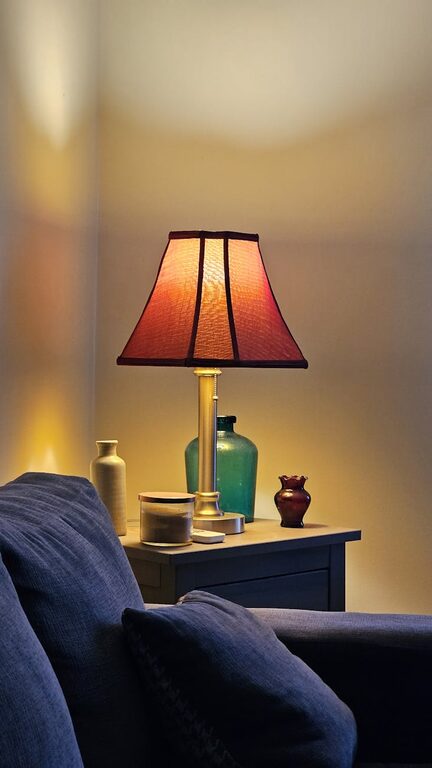
– Ambient Lighting: Complement with soft overhead lighting or floor lamps to create a warm atmosphere.
– Avoid Glare: Position your monitor to reduce glare from windows or lights.
4. Personalize Your Space
Adding personal touches makes your office feel inviting.
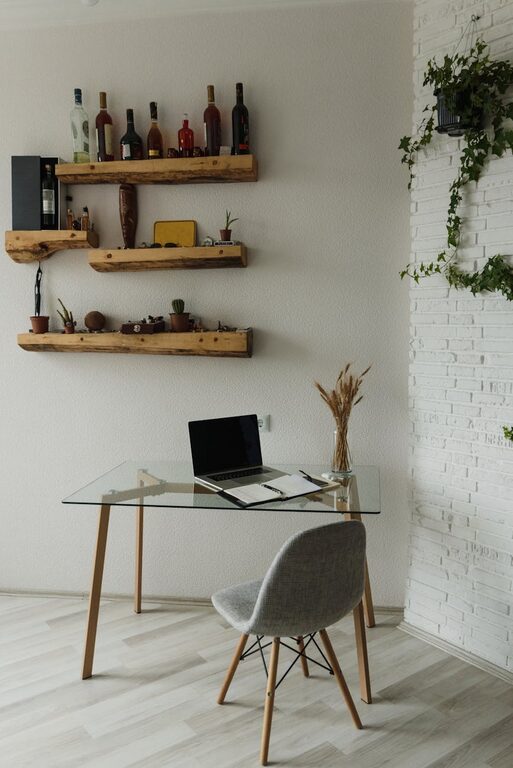
– Decor: Use artwork, plants, or photos to make the space more pleasant.
– Color Scheme: Choose soothing colors like soft blues, greens, or neutrals to promote calmness.
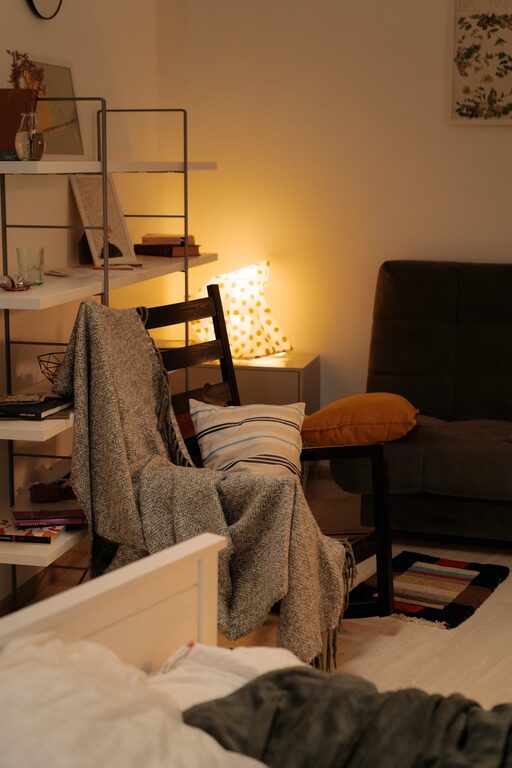
– Texture and Comfort: Include cushions, rugs, or throws for warmth and coziness.
5. Keep It Organized and Clutter-Free
An organized space helps you focus and work more efficiently.
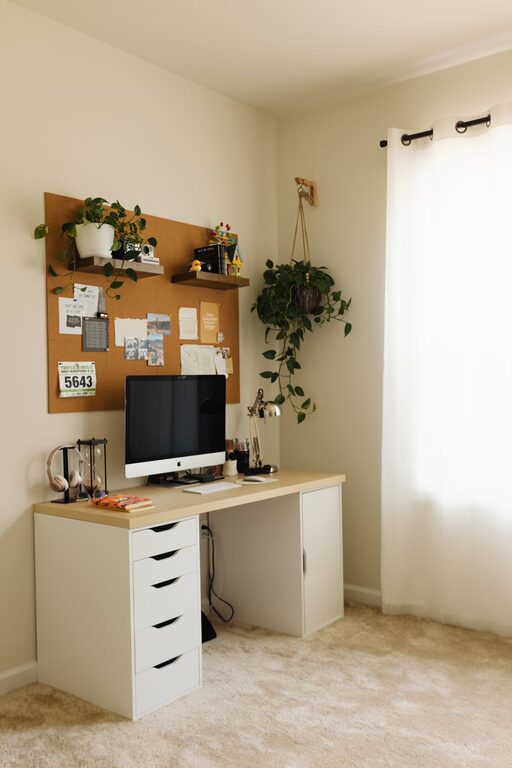
– Storage Solutions: Use shelves, drawers, or storage boxes to keep supplies neat.
– Desk Organization: Use trays or organizers for frequently used items.
– Cable Management: Tidy up cords with clips or cable organizers to avoid mess.
6. Incorporate Technology Thoughtfully
Technology can aid productivity, but too many devices can clutter your desk.
– Essentials Only: Equip your office with necessary tech such as your computer, printer, and phone.
– Wireless Options: Consider wireless keyboards, mice, or headphones to reduce cables.
– Backup Power: Have a surge protector or UPS to protect electronics during power issues.
7. Create Zones for Different Tasks
If your space allows, creating zones can help differentiate work activities.
– Work Zone: Main desk area with computer and essentials.
– Reference Zone: Bookshelves or filing cabinets for documents and resources.
– Relaxation Zone: A small comfy chair or corner for breaks or reading.
8. Maintain Air Quality and Comfort
A fresh and comfortable environment supports long hours of work.
– Air Circulation: Use a fan or open windows when possible.
– Plants: Indoor plants can improve air quality and add a touch of nature.
– Temperature Control: Ensure your office temperature is adjustable to keep comfortable throughout the year.
9. Establish Boundaries
Especially important when working from home with family or roommates.
– Visual Cues: Use room dividers or curtains to define your workspace.
– Work Hours: Set clear working hours to separate work time from personal time.
– Communication: Let others know your schedule and when you should not be disturbed.
Conclusion
A cozy and functional home office boosts your productivity while making your workdays more enjoyable. By carefully selecting your location, focusing on ergonomics, optimizing lighting, personalizing the decor, and keeping everything organized, you can create a space that truly supports your work and well-being.
Remember, your home office should reflect your preferences and needs. Start with small changes and adjust over time to find the perfect balance between comfort and functionality. Happy decorating!
About the Author